
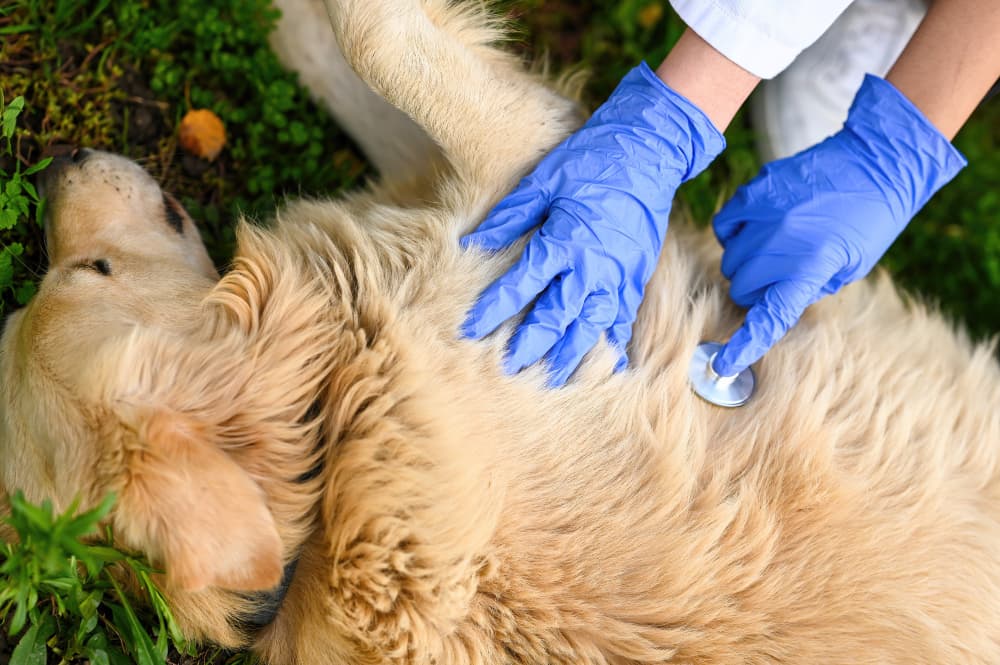
What Is Considered a Pet Emergency?
Some health problems can wait for scheduled appointments, but others require immediate veterinary attention. If your pet displays sudden, severe, or unusual symptoms, emergency care may be necessary.
Common pet emergencies include:
- Difficulty breathing
- Severe bleeding
- Collapse or loss of consciousness
- Seizures
- Suspected poisoning
- Hit-by-car injuries or major trauma
- Repeated vomiting or diarrhea
- Bloated or swollen abdomen
- Inability to urinate
- Extreme pain or distress
- Heatstroke
- Choking
- Broken bones
- Eye injuries
- Trouble giving birth
Signs Your Dog or Cat Needs Emergency Vet Care
Pets often hide pain and discomfort, making subtle changes important to observe.
In Dogs
Dogs may need urgent care if they show:
- Sudden weakness or collapse
- Pale gums
- Difficulty standing or walking
- Continuous retching without vomiting
- Heavy panting that does not stop
- Severe wounds or bleeding
- Swollen belly
- Sudden paralysis
- Unresponsiveness
In Cats
Cats are especially skilled at masking illness. Act quickly if you notice:
- Open-mouth breathing
- Straining in the litter box without producing urine
- Sudden hiding and refusal to move
- Severe lethargy
- Crying out in pain
- Loss of balance
- Repeated vomiting
- Sudden aggression caused by pain
Common Reasons Pets Need Emergency Care
Trauma and Injuries
Falls, car accidents, animal bites, and cuts can cause internal injuries that aren't visible externally.
Poisoning
Chocolate, xylitol, grapes, household cleaners, human medications, and certain plants pose danger to pets. Immediate help is necessary if ingestion occurs.
Breathing Problems
Labored breathing, wheezing, or blue-tinged gums require prompt attention.
Digestive Emergencies
Persistent vomiting, bloody diarrhea, abdominal swelling, or pain signs may indicate blockage, poisoning, or other urgent issues.
Urinary Blockages
In cats, urinary blockage represents a life-threatening emergency. Straining or distress in the litter box demands immediate care.
Seizures or Collapse
Neurological symptoms may result from toxin exposure, disease, or injury and require immediate evaluation.
What to Do During a Pet Emergency
1. Stay Calm
Your pet may already be frightened or in pain. Calm responses help prevent situations from worsening.
2. Call Ahead if Possible
Contacting the clinic beforehand allows staff to prepare and provide guidance.
3. Handle Your Pet Carefully
Even gentle pets may bite or scratch when injured. Use towels, blankets, or carriers when needed.
4. Bring Important Information
Medication bottles, toxin packaging, or incident details help veterinary teams act quickly.
5. Do Not Try Home Treatments Without Advice
Unapproved remedies or human medications can worsen conditions.
Why Fast Emergency Veterinary Care Matters
Time is critical in many emergencies. Delays allow conditions to become more severe, painful, and difficult to treat. Rapid evaluation determines:
- Whether your pet is stable
- What immediate treatment is needed
- Whether diagnostic testing is required
- The next best steps for ongoing care
Quick care reduces complications and improves outcomes.
Emergency Diagnostics Can Help Guide Treatment
When pets arrive with urgent symptoms, diagnostics often guide treatment. This may include:
- Physical examination
- Bloodwork
- X-rays
- Ultrasound
- Urinalysis
- Monitoring of temperature, heart rate, and oxygen levels
Pet Emergency Care in Kingston, Ontario
Pet owners in Kingston, Ontario need fast, reliable care when emergencies occur. Local access to professional veterinary assessment provides peace of mind during stressful situations.
How to Prepare Before an Emergency Happens
Being prepared makes a significant difference when minutes matter.
Preparation steps include:
- Keep veterinary clinic phone numbers accessible
- Know where to go for emergency care in Kingston
- Store a basic pet first aid kit at home
- Keep records of your pet's medications and health history
- Pet-proof your home to reduce toxin and injury risks
Final Thoughts
Pet emergencies are frightening, but recognizing warning signs and acting quickly protects pet health. From breathing issues and trauma to poisoning and urinary blockages, urgent symptoms warrant immediate professional attention.
FAQ Section
When should I take my pet to an emergency vet in Kingston?
Seek emergency care if your pet has trouble breathing, severe bleeding, collapse, seizures, suspected poisoning, major trauma, or signs of intense pain.
Is vomiting an emergency for dogs or cats?
Occasional vomiting may not be urgent, but repeated vomiting with lethargy, blood, pain, or bloating should be treated as urgent.
What should I do if my pet ate something toxic?
Contact a veterinary professional immediately. Do not wait for symptoms or give home remedies unless directed by a veterinarian.
Are urinary problems in cats an emergency?
Yes. Straining to urinate, crying in the litter box, or producing little to no urine could be life-threatening.
How can I prepare for a pet emergency?
Keep emergency contact numbers handy, know where to access urgent veterinary care, and have medical records accessible.
Tags