
 es_vet
Introduction
At East Side Veterinary Services, pet X‑rays are more than just images—they’re a vital diagnostic tool that helps us see inside your pet’s body without surgery or guesswork. Whether it’s a hidden foreign object, a suspicious mass, or a broken bone, pet X‑rays at East Side Veterinary Services ensure fast, accurate diagnoses and better treatment outcomes.
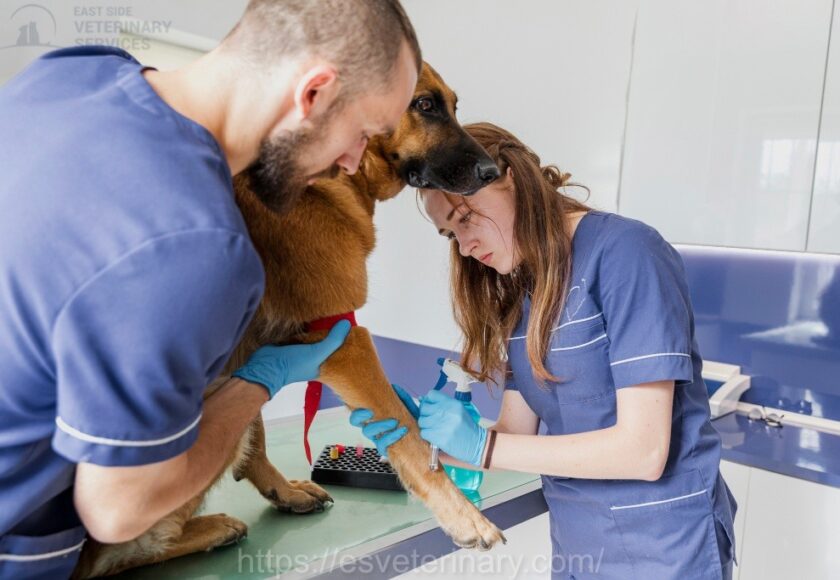
pet x‑rays east side veterinary services
Digital radiography is a painless, non-invasive process that captures real-time images of your pet’s internal organs, bones, and tissues. Unlike common myths, X‑rays are not just for fractures—they can reveal bladder stones, tumors, organ enlargement, and even swallowed objects Eastside Animal Hospital
Our advanced facility at East Side Veterinary Services uses cutting‑edge digital X‑ray technology, offering instant image capture, fewer retakes, and lower radiation exposure. That means a calmer, safer experience for your pet.
Why Choose Pet X‑Rays at East Side Veterinary Services?
Accurate, Early Detection
X‑rays help us detect conditions before symptoms escalate: fractures, GI obstructions, tumors, and organ enlargement are clearly visible on radiographs.
Rapid Results, Less Stress
Digital imaging provides results almost instantly. That means reduced handling time, fewer retakes, and a more relaxed experience—especially for anxious or sensitive pets.
Lower Radiation, Better Safety
Our modern digital X‑ray systems use minimal radiation doses, making repeat imaging safer. Sedation is reserved only when necessary to ensure clear positioning or comfort.
Non‑Invasive & Comfortable
Most pets tolerate the procedure with minimal restraint. Sedation is used only when required for calmness or safety, ensuring a comfortable experience.
High‑Quality Imaging & Enhanced Diagnosis
Digital X‑ray images can be enlarged, enhanced, and instantly shared with specialists. This allows for precise assessment and tailored treatment planning.
Improved Surgical Planning
X‑rays assist surgeons in determining the location and severity of issues, leading to shorter, more targeted procedures and faster recoveries when surgery is needed.
Monitoring and Follow‑Up
Repeat X‑ray imaging lets us track healing or disease progression over time, especially helpful for fractures, tumors, or chronic organ conditions.
Cost‑Effective Diagnostic Tool
X‑rays are relatively affordable and efficient compared to advanced imaging options like MRI and CT. They deliver vital diagnostic information quickly
Welcoming, Expert Team
Our experienced veterinary staff and radiology professionals are committed to providing compassionate care and explaining each step—from prepping your pet to interpreting results.
Convenient and Accessible
You can schedule appointments online or by phone. We offer swift access to digital X‑rays during regular business hours—emergency referrals available after hours.
Pet x‑rays at East Side Veterinary Services: What to Expect
Preparation: Minimal—generally no fasting required unless sedation is planned.
Procedure: Your pet is positioned briefly on the imaging table. If needed, sedation can ensure clarity and comfort.
Image Capture: Digital radiographs are taken in seconds, then processed instantly.
Review & Diagnosis: Our veterinarians review the images, interpret findings, and deliver a personalized treatment plan.
Next Steps: If indicated, additional imaging like ultrasound or referral to a specialist may follow.
FAQs
What types of problems can pet X‑rays detect?
They reveal fractures, foreign objects, bladder stones, organ enlargement, tumors, lung disease, and dental issues.
Are X‑rays safe for pets?
Yes. Radiation exposure is very low, and sedation is used only when necessary. Protective measures ensure safety for both pets and staff.
Will my pet need sedation?
Not always. Sedation is used when pets are anxious, in pain, or unable to hold still. Many calm pets don’t require it.
How much do pet X‑rays cost?
Costs vary by area, complexity, and sedation use—typical fees range from $200 to $500 or more.
Can X‑rays replace other imaging like ultrasound?
X‑rays are ideal for bones, foreign objects, and organ size. Ultrasound is better for soft tissue detail—your vet may recommend both depending on the case.
How often should pets get X‑rays?
Frequency depends on factors like age and health. Senior pets or those with ongoing conditions may benefit from annual or bi‑annual imaging; younger, healthy pets may only need scans when symptoms appear.
Conclusion
If your pet is dealing with unexplained symptoms, trauma, or chronic illness, pet X‑rays at East Side Veterinary Services offer a safe, rapid, and accurate diagnostic solution. Our expert team, modern imaging technology, and compassionate care make us a trusted choice for pet parents seeking clarity and peace of mind.
AffordablePetInKingston AnimalServicesInKingston CheapDogVet CheapestVetInKingston CheapPetInKingston CheapVetInkingston CheapVetNearMe CheapVetServices DogXrayServcies EastEndVet EastSideAnimalHospital EastSideVet EastSideVetClinic EastSideVeterinaryServices EastSideVetHospital PetServicesEastSidee PetXrayServices VetClinicKingston Veterinary-dental-X-rays VeterinaryServices VeterinaryServicesKingston VetHospitalKingston VetInkingston VetNearMe VetXrayServices