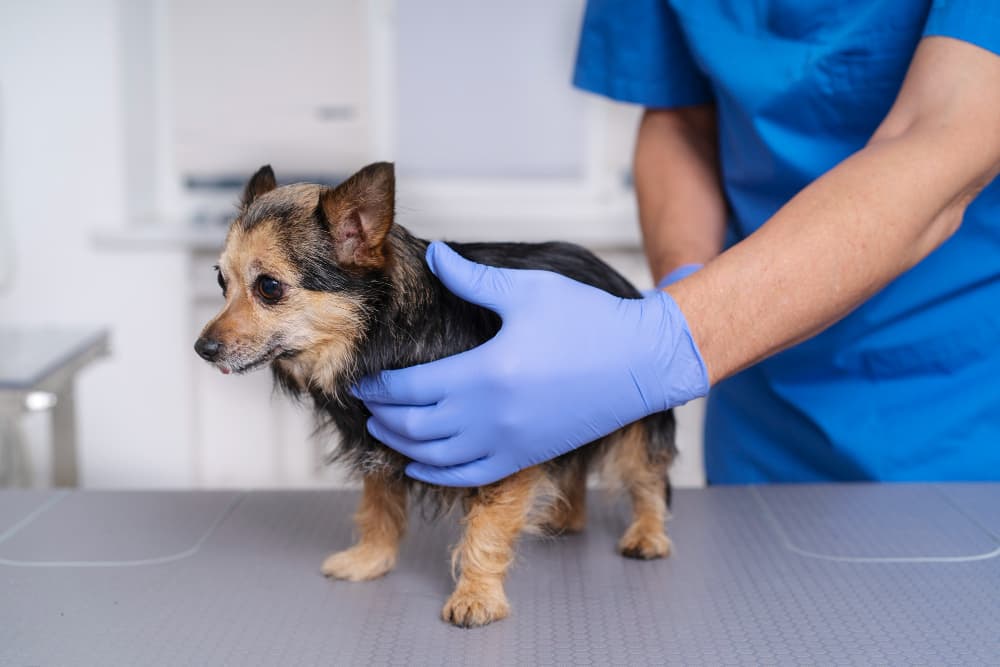
Soft tissue surgery is a broad category that includes any procedure outside of orthopaedic surgery (bones and joints), cardiac surgery (the heart), and neurosurgery (the nervous system). In practice, that covers a wide range of abdominal, urinary, skin, and mass-removal procedures. Whatever the reason your pet needs surgery, our team builds pain management into the plan from the start, so recovery is as comfortable and straightforward as possible.
Why might my pet need this?
Soft tissue surgery becomes necessary for reasons ranging from an emergency, like a swallowed object blocking the intestines, to a planned procedure, like removing a mass we've been monitoring. Because this category covers so much ground, the specific reason varies a lot from patient to patient, and your veterinarian will walk you through the diagnosis and why surgery is the right next step.
Signs it's time for an exam
Soft tissue conditions don't always show up as clearly as a limp or a broken bone, so it helps to know what to watch for:
- Vomiting, especially if it's persistent or your pet can't keep food down
- A lump or swelling anywhere on the body
- Straining to urinate, blood in the urine, or no urine output
- Sudden lethargy or loss of appetite
- A firm, painful, or distended abdomen
- A wound that isn't healing on its own
Common soft tissue procedures
Gastrointestinal Surgery
This covers procedures on the stomach and intestines, most often to remove a swallowed foreign object or a diseased section of bowel. These cases can turn urgent quickly, since a blockage cuts off blood flow to the affected tissue the longer it sits.
Bladder and Urinary Tract Surgery
Bladder stones, polyps, and other urinary tract abnormalities are addressed surgically when they're causing blockage, infection, or ongoing discomfort. Left untreated, a blocked urinary tract can become a life-threatening emergency, particularly in male cats and dogs.
Mass and Tumour Removal
We remove skin masses, lumps, and tumours from a range of locations, sending tissue for biopsy when needed to guide any follow-up care. Early removal, before a mass grows large or spreads, generally means a simpler surgery and a better outcome.
Spleen and Liver Surgery
Diseased or ruptured spleens and liver masses are treated surgically, often as urgent procedures when there's internal bleeding involved. We stabilize your pet first, then move to surgery as soon as it's safe to do so.
Wound Repair and Reconstruction
Lacerations, wounds from trauma, and skin damage left behind after mass removal are treated with closures ranging from simple stitching to more involved reconstructive techniques, depending on the size and location of the wound.
Our approach to surgical care
As with all of our surgical procedures, pain management is standard practice for every soft tissue surgery we perform, not an add-on. We monitor your pet's vitals closely throughout the procedure, and our veterinary technicians stay with them through recovery to catch any concerns early and keep them comfortable.
Frequently Asked Questions
It depends entirely on the condition. Some cases, like a bowel obstruction, ruptured spleen, or blocked urinary tract, are emergencies that need same-day surgery. Others, like a slow-growing skin mass, can be scheduled with time to plan. We'll always tell you where your pet's situation falls.
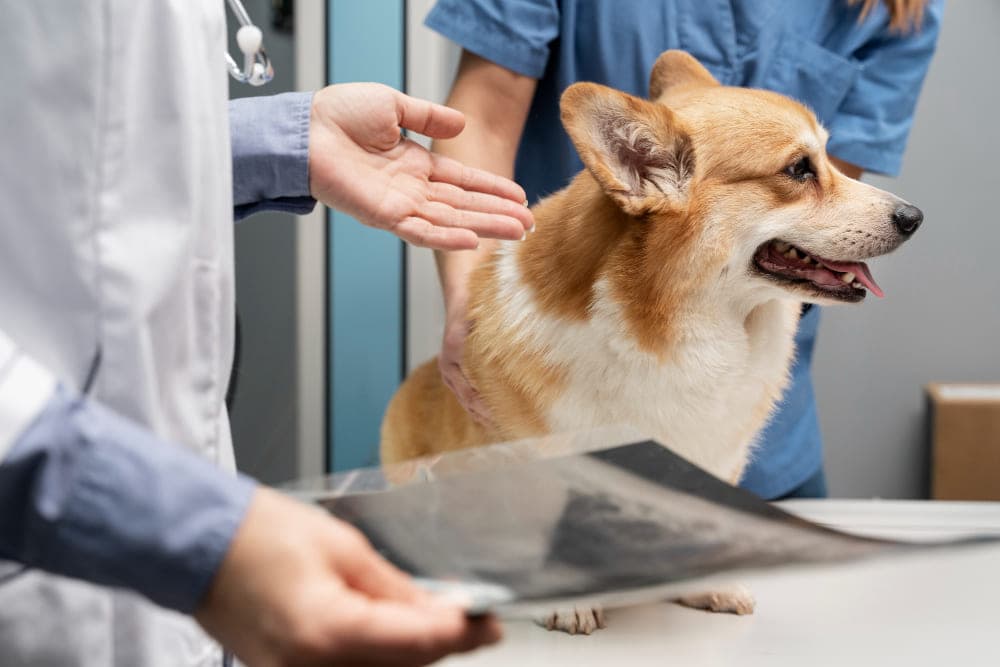
We typically start with a physical exam and bloodwork, then move to imaging like X-rays or ultrasound to pinpoint the problem before recommending surgery. For masses, we may recommend a needle sample or biopsy first to understand what we're dealing with.
Many soft tissue procedures involve at least one night of monitoring, especially anything abdominal, so we can track pain control, appetite, and incision healing before your pet goes home. We'll let you know what to expect for your pet's specific procedure.
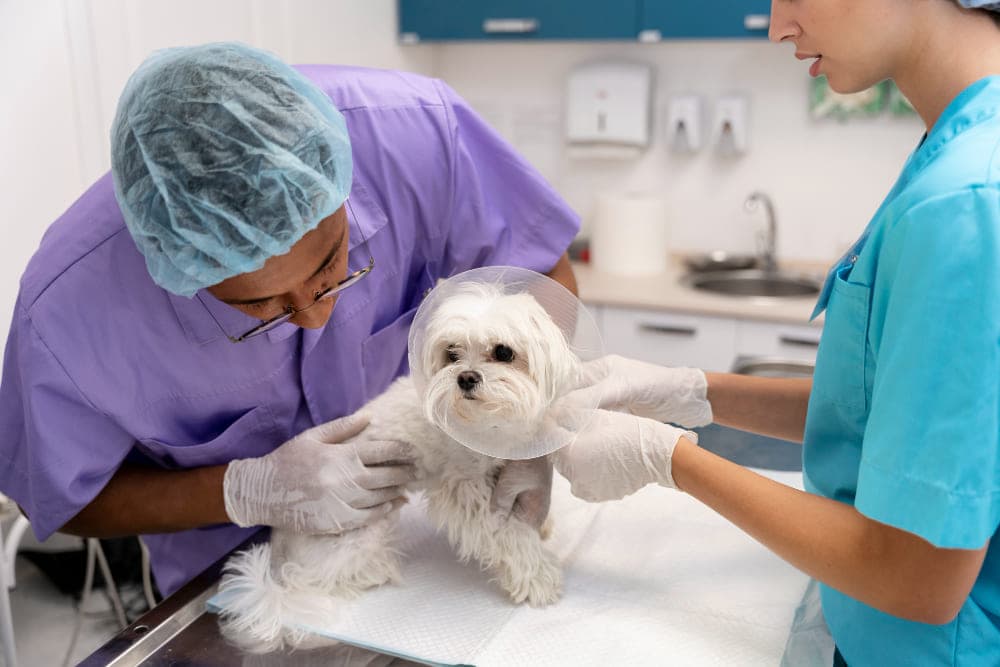
Most pets need restricted activity and a cone or recovery suit to protect the incision for 10 to 14 days. We'll send you home with pain medication and clear instructions, and we'll want to see your pet back for an incision check.
No. Plenty of masses we remove are benign, but we generally recommend removal (and often biopsy) regardless, since it's not possible to tell for certain just by looking or feeling. Removing it early, before it grows, is usually the simpler surgery either way.
We'll assess which procedure is more urgent and, where it's safe to do so, sometimes combine procedures under a single anesthetic event to minimize how many times your pet needs to go under. Your veterinarian will walk you through the safest sequencing for your pet's situation.